



Business Continuity
A backup is only part of the plan
Protect the data and systems your business depends on. Nordma helps you build a practical approach to backup and recovery, with clear responsibilities and realistic priorities.
When a system is unavailable, the first questions are which work has stopped, who is responsible for getting it running again and how much data might be lost. A continuity plan answers those questions before an incident. Nordma helps connect business priorities to the technical work of protecting systems, restoring data and bringing services back in a usable order.
Start with the work that cannot wait. Map the applications, information, connectivity, service accounts and providers each activity depends on. Some of those dependencies will need to be restored before the system people initially notice is down. That understanding guides what is backed up, which tests are worth running and who should take charge of recovery.
Example engagement
Test what happens when a critical service stops
Assume a file service supports several teams, but the organisation has never measured how long it takes to bring it back. The service owner agrees a recovery time objective (RTO) for acceptable downtime and a recovery point objective (RPO) for acceptable data loss measured in time. The exercise also covers the dependencies needed to use the files, including storage, identity and permissions.
In an isolated test, restore an agreed sample to a known point, confirm that authorised users can open it, and record when it becomes usable. Compare the observed recovery time and available data with the objectives. If the exercise exposes a dependency, insufficient retention or a manual step that takes too long, the record gives your team a specific change to make and retest.
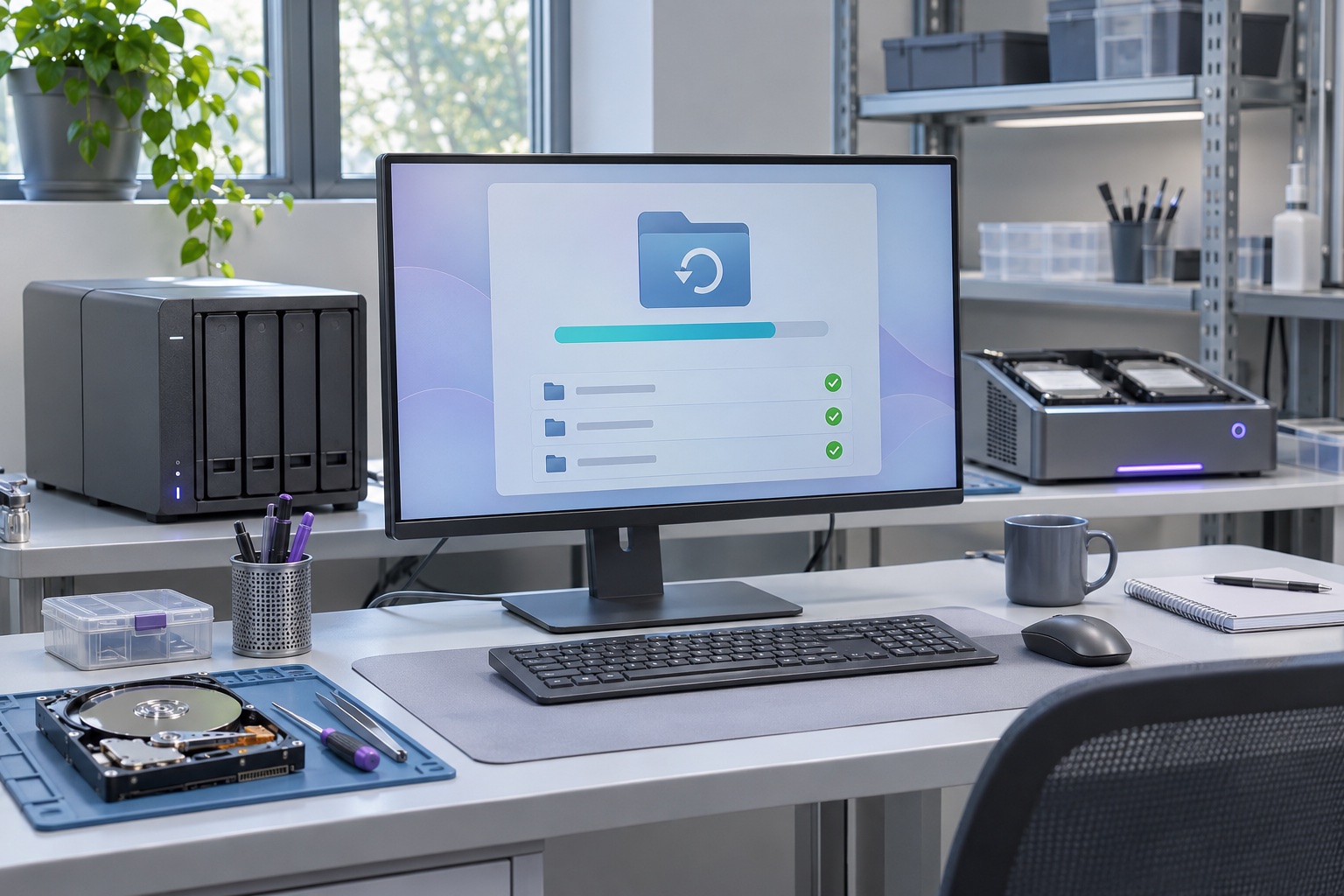
Backup, recovery and continuity planning
Recovery priorities and dependencies
We agree acceptable downtime and data loss with each service owner. We map the services that have to come back first, including dependencies such as identity, connectivity, storage and suppliers. Where recovery may take longer than the business can tolerate, we identify which work needs an interim process.
Backup scope, frequency and retention
We compare protected workloads, backup frequency and retention with the agreed recovery objectives. We review how the recovery team would reach the copies during a production incident and assess whether separate administrative access, isolated copies or different retention settings are appropriate.
Backup monitoring and ownership
We agree who responds to failed jobs, capacity alerts and changes to protected systems. We also set out how new workloads enter the backup inventory. For example, adding a file service or mailbox should trigger a coverage check rather than relying on someone to notice a gap later.
Restore tests and acceptance checks
We agree a recovery scenario and test what a user would need to resume work. That may mean restoring files with permissions intact, verifying a mailbox or recovering an application with its dependencies. We record the available restore point, elapsed time, validation results and changes to retest.
Recovery instructions and handover
We document who coordinates the response, how to reach suppliers and which steps have to happen in order. The recovery team needs a copy it can access during an outage, as well as an agreed point for the service owner to confirm that work can resume.
How we work
Map what must recover
Review business processes and dependencies with their owners. Agree what has to return first and what your team could temporarily work around.
Improve protection
Assess backup coverage against recovery objectives. Agree changes, who will monitor them and how testing will be conducted.
Run a recovery exercise
Use a scenario that reflects your environment, document the result and agree the next review. Update procedures when equipment, services or responsibilities change.
Typical deliverables
- Recovery requirements and dependencies
- A record of critical services, recovery objectives, restoration order, and the people or providers involved.
- Backup and restore runbook
- Coverage, retention, responsible contacts, recovery instructions and a location the recovery team can reach during an outage.
- Recovery test report
- What was tested, the available restore point, elapsed time, verification results and improvements to make before the next exercise.
Frequently asked questions
Is a successful backup job enough to prove we can recover?
A successful job confirms the backup ran. A test restore checks whether you can retrieve the right data and bring it back into service within your operational requirements.
Can we focus on Microsoft 365 first?
Yes. Begin by identifying which Exchange Online, SharePoint and OneDrive data you need to recover, then agree how you will protect it and test recovery.
How often should we test?
Set a schedule based on business impact and the rate of change in your environment. Include a review after major changes and keep a record of the result.